

Is It Normal for My AC to Run All Day in August?
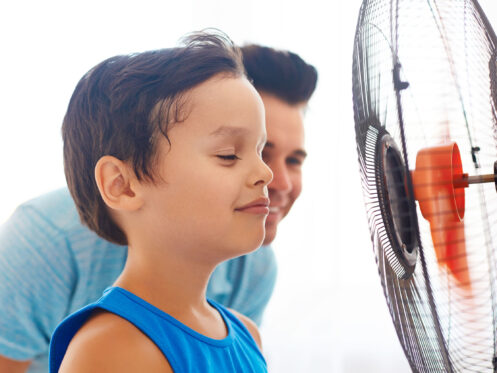
Summer temperatures in Eugene, OR often linger in the mid-80s, but without functional air conditioning, indoor temperatures could rise much higher. Eugene also experiences its fair share of heat waves, especially in mid-to-late August. Although sweltering conditions can certainly lead to longer run times, if your AC runs nonstop, you need to find out why.
Why ACs Run Longer and More Frequent Cooling Cycles
In general, your air conditioner should run two to three cooling cycles per hour, and each cooling cycle should last 10 to 20 minutes. When the mercury soars, it’s perfectly normal for air conditioners to run several cycles an hour, every hour.
When air conditioners take longer breaks between cooling cycles, it’s because they’re able to extract more heat and humidity, keeping the air inside the home cooler. On hot August days, your AC will run the longest from noon to five. As the sun sets and solar heat decreases, it won’t have to work as hard or for as long to maintain the desired temperature.
Short Cycling
If your air conditioner runs five or more cooling cycles per hour and each cooling cycle lasts three minutes or less, it’s short cycling. Short cycling is a performance issue that occurs when air conditioners are operating under extreme stress.
If your AC is short cycling, you may have a blocked air duct, multiple closed air vents, insufficient clearance around your outdoor condenser, or a dirty air filter. Other problems that can cause AC short cycling include:
- Refrigerant leaks
- Clogged condensate drains
- Dirty evaporator coils
- Electrical hazards
When short cycling, air conditioners turn on and then rapidly cycle off, making no significant changes in indoor temperature or humidity. All of these factors signal the need for a maintenance appointment and possible repairs.
Insufficient Insulation
If your air conditioner isn’t short cycling but instead is running longer and more often, you may be able to minimize its run times by adding insulation. A well-insulated home will retain more of the cooled air your air conditioner produces. It will also block hot, humid outdoor air from getting in.
A Loose, Inefficient Home Envelope
Adding more insulation to your home is just one way to improve its efficiency. You can also invest in light and heat-blocking window treatments, add weatherstripping to your windows and doors, and use caulk to seal up cracks and gaps in your drywall. If you’re looking for a home improvement project that will add value to your home, cut your carbon footprint, and lower your energy bill, consider upgrading your windows to well-insulated, high-efficiency double-pane designs.
Poor AC Maintenance
Poorly maintained air conditioners work both longer and harder than ACs that receive the proper care. It’s essential to ensure that your air conditioner isn’t running longer cooling cycles due to suboptimal conditions. Check for a dirty air filter, a blocked condenser, and closed HVAC air vents. If you skipped pre-season tune-up service, schedule it now.
Why Air Conditioners Run Nonstop
A cooling cycle that never ends is usually a sign of problems. Your air conditioner initiates a cooling cycle whenever your thermostat registers your indoor temperature as higher than its set temperature. It will continue to cool until the temperature of your home matches its setting. Unfortunately, if your thermostat isn’t reading your temperature accurately, it can’t stop or start cooling cycles correctly.
During pre-season tune-up service, our technicians test and calibrate thermostats. If you skipped your annual AC tune-up and suspect thermostat issues, schedule AC maintenance now.
Incorrect Thermostat Settings
Many thermostats have “ON/FAN” and “AUTO” settings. Toggling a thermostat to “ON” might seem like a good idea, but what you’re really doing is activating your cooling system’s blower fan rather than your air conditioner.
When your thermostat is set to “ON/FAN”, the blower fan will spin nonstop. That might be the reason you think the AC is constantly running. But, in this case, it’s not. When the temperature rises, you’ll probably hear the compressor start up in addition to the fan’s noise. When your thermostat is set to “AUTO”, your air conditioner will respond appropriately, and its blower fan will only operate during active cooling cycles. This reduces the stress on the system and lowers your electricity bills.
Incorrect AC Sizing
If your air conditioner has always run non-stop, short cycled, or run longer-than-average cooling cycles during the hottest portion of summer, it may be too large or too small for your home. Incorrect AC sizing is a common issue among homeowners who’ve selected and installed their own air conditioners. Using square footage alone to determine AC sizing doesn’t provide the best results.
Oversized air conditioners are too large and powerful for their service areas. They cycle on, cool for several minutes, and then quickly cycle back off. An AC that’s too large could run six or seven short, unproductive cooling cycles each hour without extracting excess humidity or significantly changing the indoor temperature.
Air conditioners that are too small for homes must run nonstop or nearly nonstop. They lack the cooling power to maintain the set temperature in a home that is larger than their capacity. This remains the case even when homes have tight and efficient envelopes.
If your AC isn’t the right size, you’re using excess energy and paying far more than necessary for summertime cooling. Replacing an incorrectly sized unit will save you cash, allow for better humidity regulation, and improve your comfort and indoor air quality (IAQ).
Open Windows and Doors
Check to see if anyone in your household has opened windows or doors in their bedrooms or in common areas. This is something that residents might do in unconditioned rooms. For instance, if someone in your family is folding clothes in a hot utility room, they might open a nearby window to catch a cool breeze.
Although this works well for the individual, it undermines your air conditioner’s efforts to create a single, uniform temperature throughout the building. If you have recurring problems with open windows and doors due to hot spots, consider adding a ductless mini-split air conditioner to cool rooms without existing ductwork.
Leaky Air Ducts
Air duct leaks stress cooling systems by compromising overall airflow. They also distribute cooled air into empty, unused spaces such as crawlspaces, basements, attics, and behind drywall. With less cool air reaching living areas, your air conditioner could run nonstop.
When to Seek Help
Even with a tight home envelope and an efficient, well-maintained air conditioner, you can expect higher energy bills, longer cooling cycles, and more AC activity overall during the hottest weeks of summer. Longer cooling cycles become problematic when air conditioners never turn off, run but don’t cool, or struggle with humidity regulation.
When you have questions about your air conditioner’s performance, schedule AC service or ask a member of our team. Our HVAC technicians might recommend integrated IAQ or humidity-control accessories, additional AC maintenance, or replacement for an oversized or undersized AC unit. You might need a new thermostat, more home insulation, or weatherstripping around your windows and doors. When lengthy run times indicate developing issues or elevated AC stress, seeking professional advice will keep things from spiraling out of control.
With over 150 years of combined experience, we proudly serve Eugene, OR and the surrounding communities. We offer top-notch AC maintenance, replacement, and repair services. To sign up for our HVAC preventative maintenance plan or to schedule AC service, contact Reynolds Electric, Plumbing, Heating and Air now!
Jeremy Reynolds
Since 1964, three generations of Reynoldses have been providing electrical services in Oregon. Current owner.Jeremy Reynolds’ ambitions led to an early aptitude in the electrical field, and he has continued to grow the company.
Related Posts
Signs Your Thermostat Needs Replacing
When your heating or cooling system is acting up, you most likely start imagining all…
Can My Heat Pump Handle Oregon’s Cold Months Too?
If you're looking for a new heating solution for your Eugene, OR, home, you're probably…
What HVAC System Is Right for Your Oregon Home?
When it's time to invest in a new HVAC system for your Eugene, OR home,…