
As temperatures drop in Eugene, OR, your home's plumbing can face new challenges. Pipes that run through unheated areas, exterior walls, garages, crawl spaces, and other cold spots are more likely to freeze when temperatures remain low.
A frozen pipe can stop water from flowing and may put stress on the pipe itself. Taking a few simple steps before winter arrives can help protect your plumbing and give you greater peace of mind during the colder months.
If you are concerned about your pipes before the first hard freeze, Reynolds Electric, Plumbing, Heating and Air can help you identify plumbing concerns and prepare your home for colder weather. Call (541) 305-8683 or contact our team online to discuss your plumbing needs.
Know Which Pipes Are Most at Risk
Not every pipe in your home is equally exposed to cold temperatures. Plumbing in heated indoor areas generally has more protection, while pipes in colder parts of the home may need extra attention.
Before winter, look for exposed plumbing in places such as:
- Garages and unfinished areas
- Crawl spaces and basements
- Exterior walls
- Under sinks along exterior walls
- Outdoor plumbing connections
If you know where these pipes are located, you can take steps to protect them before temperatures fall.
Insulate Exposed Pipes
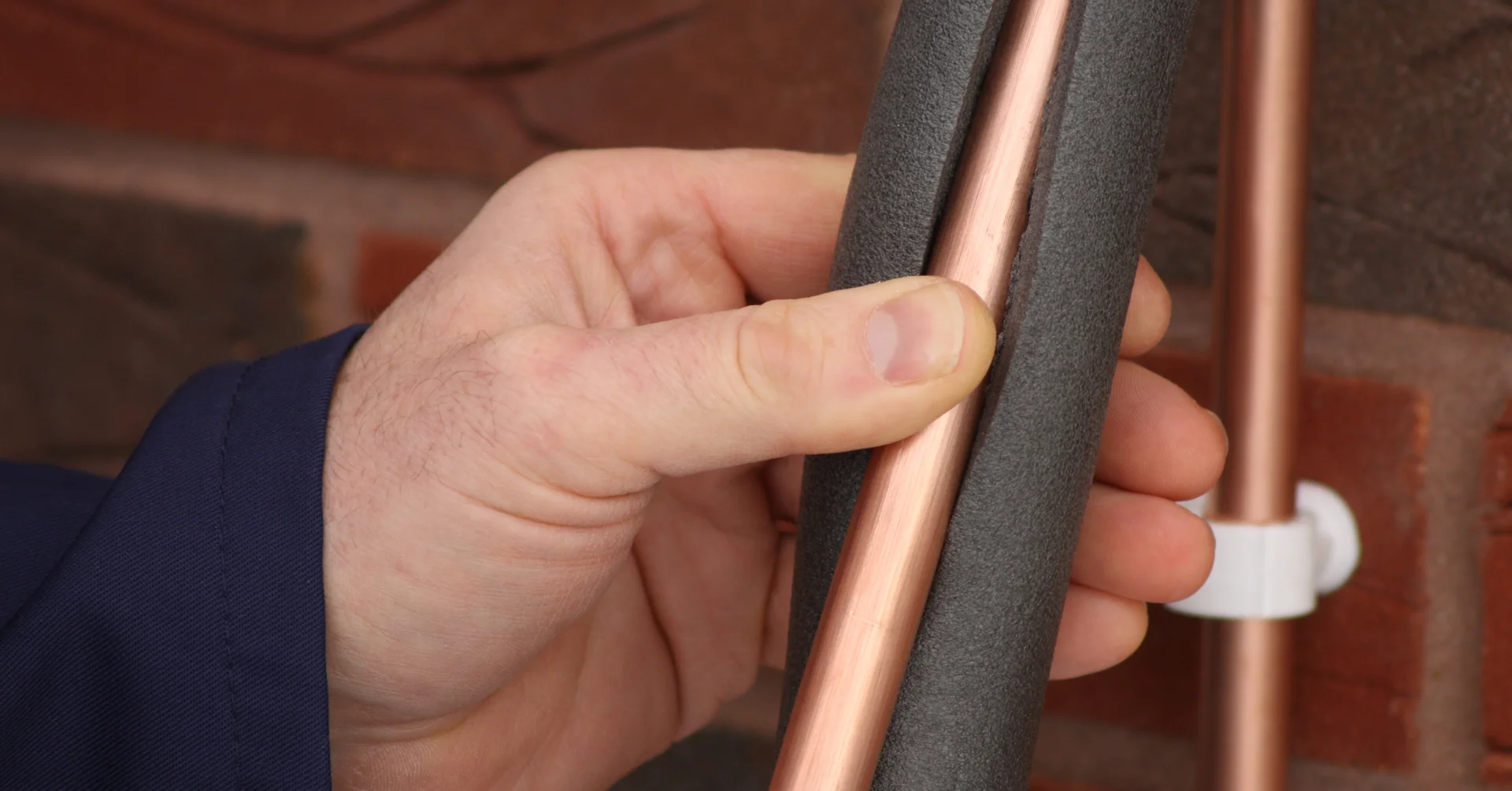
Pipe insulation can help slow down heat loss when temperatures drop. It is especially useful for pipes in unheated areas.
Foam pipe sleeves are one common option and can be installed around accessible sections of plumbing. Make sure the insulation fits properly and covers the areas that are most exposed to cold air.
Insulation can also help reduce the heat loss from your plumbing during colder weather. However, it should not be treated as a substitute for fixing damaged or poorly protected plumbing.
Disconnect Outdoor Hoses
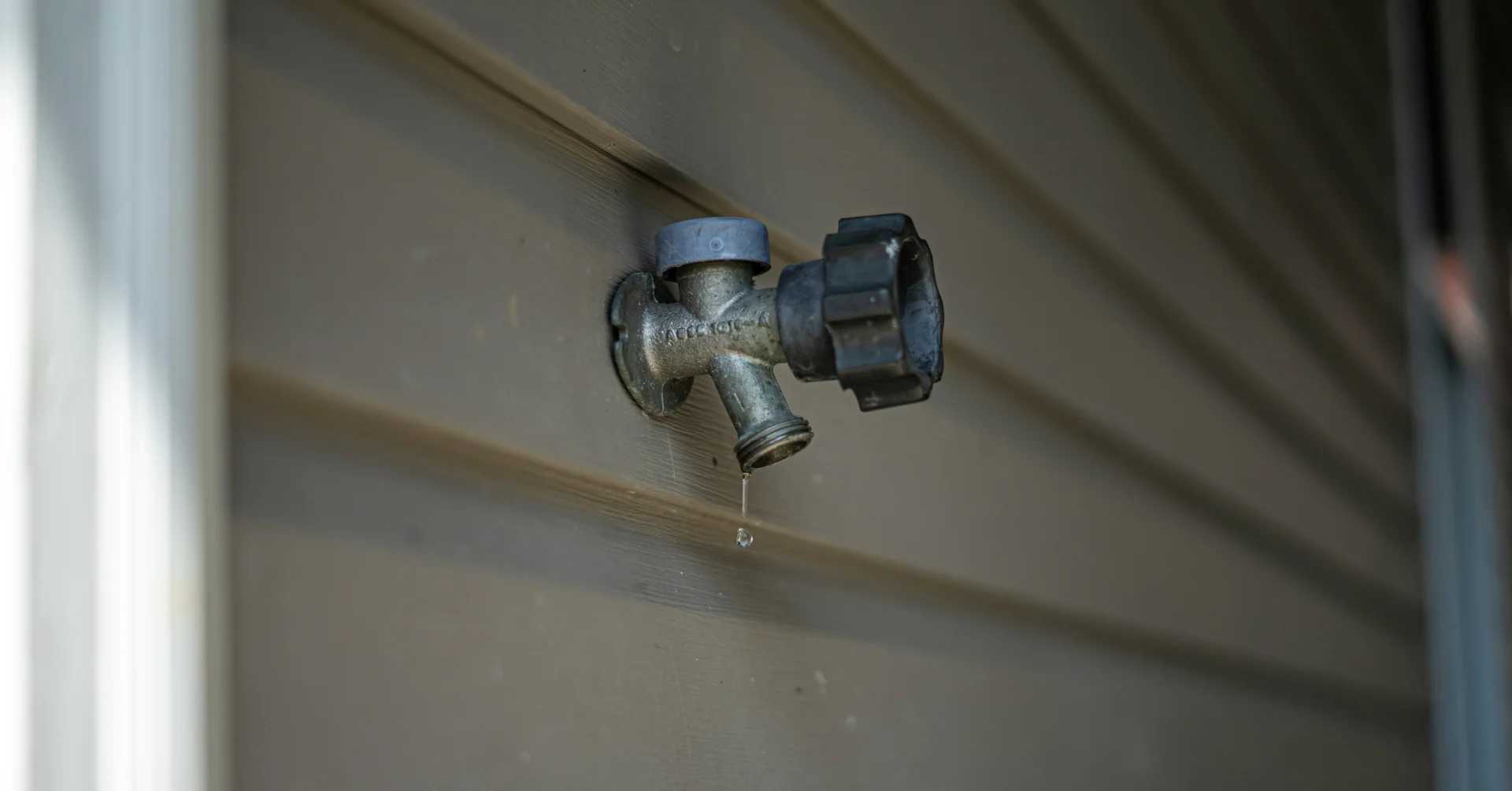
Outdoor hoses can retain water after being disconnected from an exterior faucet. When that water freezes, it can cause problems with the faucet and the connected plumbing.
Before winter weather arrives:
- Disconnect garden hoses from outdoor faucets.
- Drain the hoses and store them in a protected location.
- Check exterior faucets for leaks or damage.
- Make sure any outdoor plumbing is properly prepared for cold weather.
Taking care of these small tasks in the fall can help you avoid plumbing problems later in the season.
Check for Drafts Near Plumbing
Cold air entering your home can make already-cold plumbing areas even colder. Gaps around windows, doors, walls, and other openings may allow drafts to reach pipes.
Pay particular attention to areas where plumbing passes through walls or floors. If you find noticeable drafts near exposed pipes, consider having the area properly sealed.
Also check that garage doors and other access points close securely. Keeping cold outdoor air from entering can help maintain more stable temperatures around your home's plumbing.
Keep Your Home Warm During Cold Weather
If you leave home during a cold-weather trip, don't turn the heat off completely. Keeping your home's indoor temperature at a reasonable level can help protect plumbing in colder areas.
You can also take a few precautions before leaving:
- Keep interior doors open so warm air can move through the home.
- Make sure your heating system is operating properly.
- Ask someone to check on the home during an extended absence.
- Know where your main water shutoff is located in case of a plumbing emergency.
These steps are particularly useful when temperatures are expected to remain low for an extended period.
Pay Attention to Warning Signs
Sometimes plumbing problems become noticeable before a pipe freezes or fails. A change in water flow can be one sign that something is wrong.
If a faucet produces only a small amount of water or stops flowing during very cold weather, don't ignore it. A pipe could be frozen somewhere along the plumbing line.
Other signs worth paying attention to include:
- Unusual changes in water pressure
- Damp areas near walls or ceilings
- Water stains
- Unexplained puddles
- Cracks or bulges around exposed pipes
If you suspect a pipe has frozen, avoid using an open flame or other unsafe method to thaw it. A professional plumber can help determine what is happening and recommend the safest next step.
Prepare Your Plumbing Before the Temperature Drops
Winter plumbing preparation does not have to be complicated. Knowing where your vulnerable pipes are, protecting exposed plumbing, and addressing problems before cold weather arrives can all help reduce the chance of an unexpected issue.
If you are preparing your home in Eugene, OR, for winter and want help with your plumbing system, Reynolds Electric, Plumbing, Heating and Air is here to provide straightforward information and dependable service. Contact our team or call (541) 305-8683 to get started.