
As temperatures drop in Eugene, OR, homeowners may notice changes in how water flows from their faucets and showerheads. A small change in pressure can be easy to overlook, but a sudden or sustained drop may indicate a plumbing issue that needs attention.
Cold weather can affect exposed pipes, water lines, fixtures, and other parts of your plumbing system. Understanding what can cause these changes can help you spot problems early and know when professional help may be needed.
If your home’s water pressure has suddenly changed or you notice weak water flow throughout the house, don’t ignore it. Contact Reynolds Electric, Plumbing, Heating and Air at (541) 305-8683 to discuss your plumbing concerns and find out what may be causing the problem.
Why Cold Weather Can Affect Water Pressure
Your plumbing system depends on water moving through pipes at a steady rate. When temperatures fall, changes in the water supply and your home’s plumbing can sometimes affect that flow.
For example, very cold temperatures can cause water inside exposed pipes to freeze. Even before a pipe freezes completely, ice can restrict the space available for water to move through it.
Other cold-weather factors can include:
- Frozen or partially frozen sections of pipe
- Changes in water demand during colder months
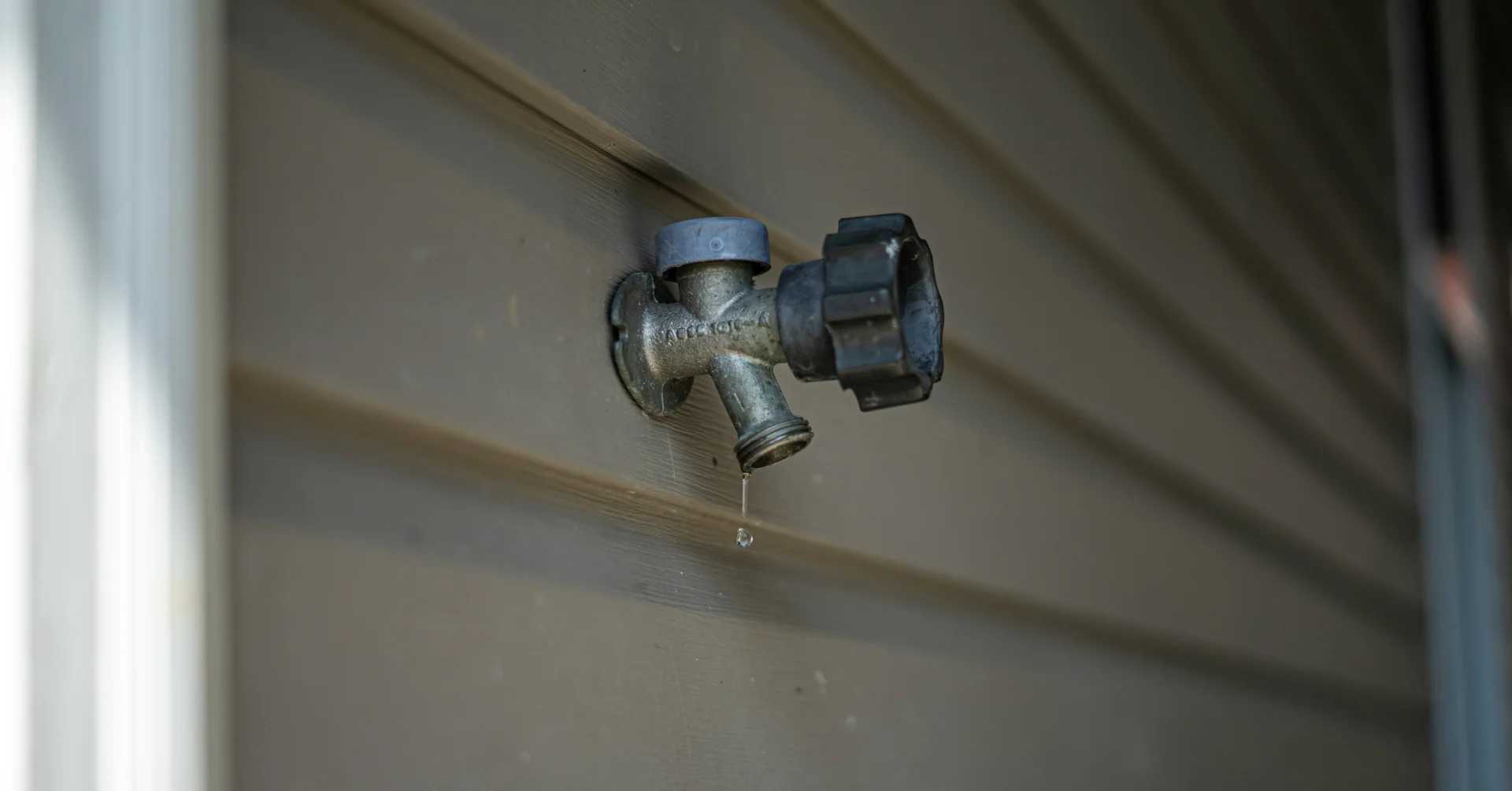
- Problems with outdoor or exposed plumbing
- Existing plumbing issues are becoming more noticeable
A pressure change does not automatically mean you have a major plumbing problem. However, a sudden or significant change is worth paying attention to.
Watch for Changes in Water Flow
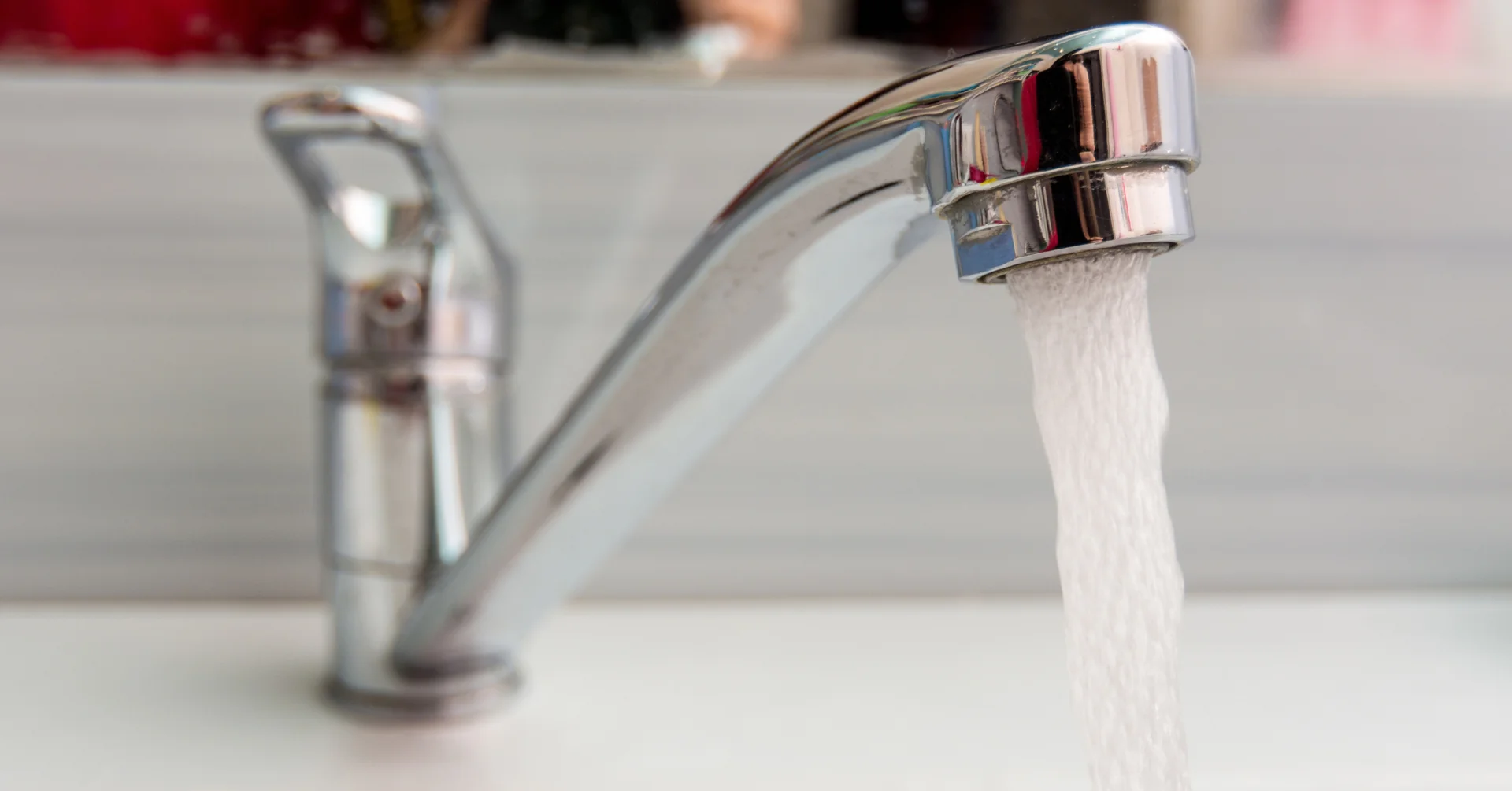
One of the easiest ways to notice a water pressure problem is to compare how your fixtures normally perform.
You may notice that:
- The shower has less water coming from the showerhead.
- Faucets take longer to fill a sink or tub.
- Multiple fixtures have weaker flow at the same time.
- Your washing machine or dishwasher fills more slowly.
If only one faucet has low pressure, the problem may be limited to that fixture. If several fixtures throughout the home are affected, the cause may be further back in the plumbing system.
Frozen Pipes Can Restrict Water Flow
Freezing temperatures are one of the biggest cold-weather plumbing concerns. Pipes in unheated areas, such as garages, crawl spaces, attics, or exterior walls, can be more vulnerable when temperatures drop.
When water freezes inside a pipe, it expands. This can restrict water flow and place added pressure on the pipe.
Signs of a possible frozen pipe can include:
- Little or no water coming from a faucet
- A sudden drop in water pressure
- Frost or ice on an exposed pipe
- Unusual sounds when turning on a faucet
If you suspect a pipe has frozen, avoid trying to force water through it or using an open flame to thaw it. A plumbing professional can help determine the safest next step.
Cold Weather Can Reveal Existing Plumbing Problems
Sometimes, winter does not create a plumbing problem—it simply makes an existing issue easier to notice.
A pipe that already has buildup, corrosion, a small leak, or another restriction may have trouble maintaining normal water flow when conditions change.
Homeowners may also notice pressure problems after turning on several fixtures at once. If your plumbing system regularly struggles to provide enough water, it may be worth having the system checked.
Professional residential plumbing services can help identify potential causes and determine what type of repair or maintenance may be appropriate.
How to Protect Your Plumbing During Cold Weather
A few simple steps can help reduce cold-weather plumbing problems around your home.
Before colder weather arrives:
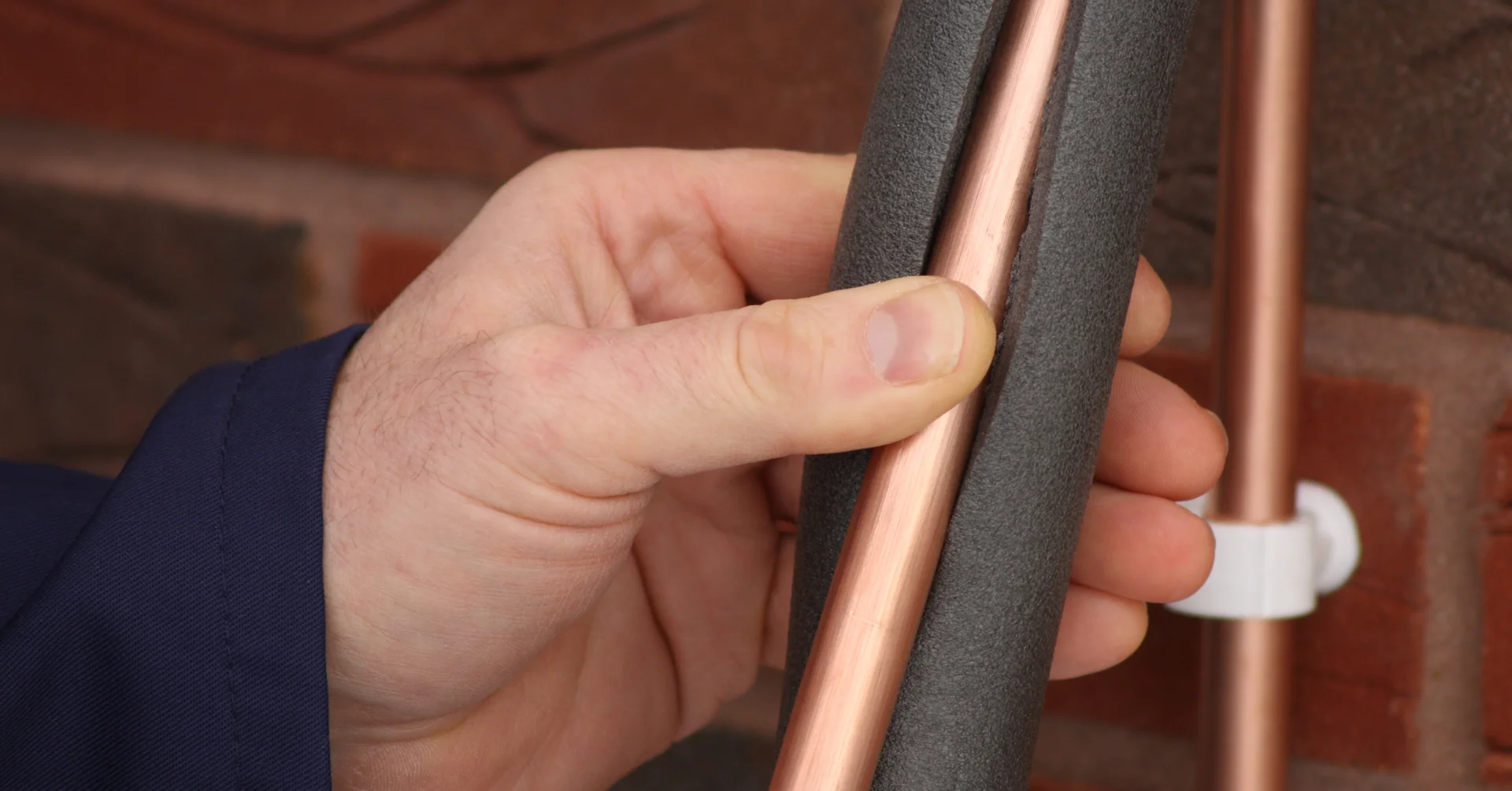
- Insulate exposed pipes. Pipes in unheated spaces may benefit from proper insulation.
- Protect vulnerable areas. Check garages, crawl spaces, and other areas where pipes may be exposed to cold air.
- Look for existing leaks. Small leaks can become more troublesome when temperatures fall.
- Know where your main water shutoff is located. Knowing how to shut off the water can be helpful in a plumbing emergency.
You do not need to wait for a major problem before paying attention to changes in your plumbing.
When to Have Your Water Pressure Checked
An occasional change in water flow may not be a serious concern. However, persistent low pressure or a sudden change throughout your home deserves closer attention.
Consider contacting a professional if you notice:
- Low pressure at multiple fixtures
- A sudden and unexplained change in water flow
- Little or no water from a fixture during freezing weather
- Signs of a leaking or damaged pipe
- Recurring water pressure problems
Finding the cause early may help prevent a small plumbing concern from becoming a larger repair.
Keep Your Plumbing Ready for Eugene’s Colder Months
Cold weather can put additional demands on your home’s plumbing system. By monitoring water pressure and protecting vulnerable pipes, you can help keep your plumbing working properly throughout the season.
If your water pressure has changed or you are concerned about your plumbing before winter sets in, Reynolds Electric, Plumbing, Heating and Air can help you understand what may be happening and what options are available to you. Contact us at (541) 305-8683 or reach out online to schedule plumbing service in Eugene, OR.