
As fall temperatures arrive in Eugene, OR, many homeowners are turning their heating systems back on after months of lighter use. While a heating system can help keep your home comfortable, it is also important to understand the potential risks that come with fuel-burning equipment.
Carbon monoxide, or CO, is one of those risks. This colorless, odorless gas can be produced when fuels such as natural gas, propane, oil, or wood do not burn properly. Because you cannot see or smell it, knowing how to prevent CO problems and recognize warning signs is an important part of fall home safety.
If you have concerns about your heating system, carbon monoxide, or unusual behavior from your heating equipment, contact Reynolds Electric, Plumbing, Heating and Air at (541) 305-8683 to discuss your options and determine whether professional heating service is appropriate.
What Is Carbon Monoxide?
Carbon monoxide is a gas that can form when fuel-burning appliances do not completely burn their fuel. Heating equipment, fireplaces, water heaters, and other fuel-burning appliances can potentially produce CO if they are damaged, poorly maintained, or improperly vented.
The biggest concern is that carbon monoxide has no noticeable odor or color. You may not know it is present without a working carbon monoxide detector.
Common sources of carbon monoxide in a home can include:
- Furnaces and other fuel-burning heating systems
- Fireplaces and wood-burning stoves
- Gas water heaters
- Fuel-burning appliances that are damaged or improperly vented
Why Heating Systems Matter in the Fall
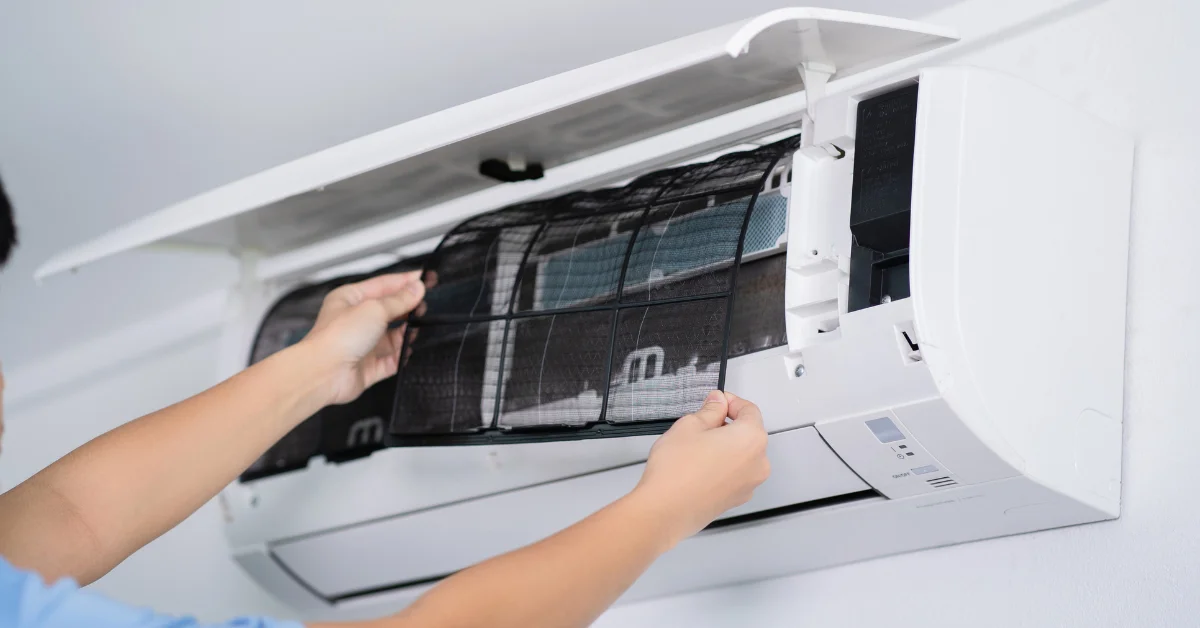
Heating systems often run much more frequently once temperatures drop. That makes October a useful time to make sure your heating equipment is ready for the season.
A heating system that has not been used for months may have issues that are not immediately obvious. Problems with components, ventilation, combustion, or exhaust can affect how safely the equipment operates.
Regular professional maintenance can help identify potential problems before they become larger concerns. It can also allow homeowners to ask questions about how their system operates and what signs they should watch for.
Install Carbon Monoxide Detectors
Because your senses cannot detect carbon monoxide, working CO detectors are an important part of home safety.
Consider these basic detector practices:
- Place detectors in appropriate areas. Follow the manufacturer's placement instructions, including recommended locations near sleeping areas.
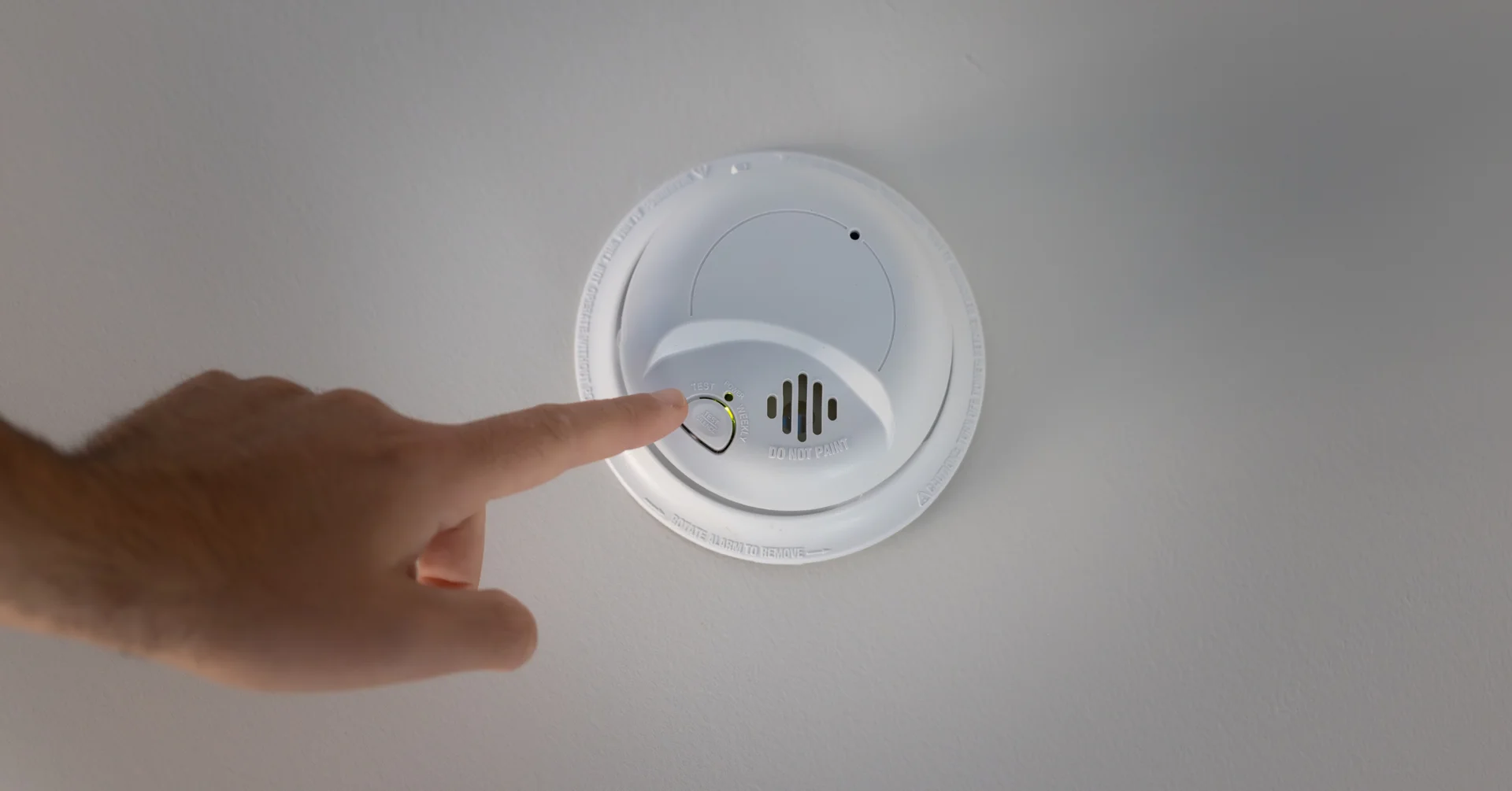
- Test them regularly. Use the test button according to the manufacturer's directions.
- Replace batteries when needed. If your detector uses replaceable batteries, follow the recommended replacement schedule.
- Replace older detectors. Check the manufacturer's instructions for the expected service life of your specific model.
Carbon monoxide detectors are not a replacement for proper heating system maintenance, but they provide an important additional layer of protection.
Know the Warning Signs of a Heating Problem
Carbon monoxide itself has no smell, so you should not rely on an unusual odor to tell you that CO may be present. However, unusual heating system behavior can be a reason to have the equipment checked.
Pay attention to changes such as:
- Unusual noises coming from the heating system
- Problems with the system starting or staying on
- Damage around the furnace or venting
- Unusual soot or discoloration around fuel-burning equipment
- Repeated heating system problems
These signs do not automatically mean carbon monoxide is present. They can, however, indicate that your heating system needs attention.
What to Do If a Carbon Monoxide Detector Sounds
If a carbon monoxide detector sounds, take it seriously. Get everyone and any pets outside into fresh air and follow your local emergency guidance. Do not ignore the alarm simply because no one feels sick.
If anyone develops symptoms that could be related to carbon monoxide exposure, seek emergency medical help.
Once everyone is safe, the heating system or other potential source should be evaluated by a qualified professional before it is used again.
Schedule Heating Service Before Winter
October can be a practical time to have your heating system checked before colder weather becomes a regular part of daily life. Professional service can help identify equipment issues and provide an opportunity to address maintenance needs.
For homeowners in Eugene, OR, who need heating services, Reynolds Electric, Plumbing, Heating and Air can help with heating system issues and maintenance.
Understanding carbon monoxide is not about worrying every time you turn on your furnace. It is about taking simple steps, recognizing the warning signs, and ensuring your heating equipment receives proper care.
For heating questions or to discuss your home's heating needs, contact Reynolds Electric, Plumbing, Heating and Air at (541) 305-8683. You can also contact the team online to learn more about your options.