

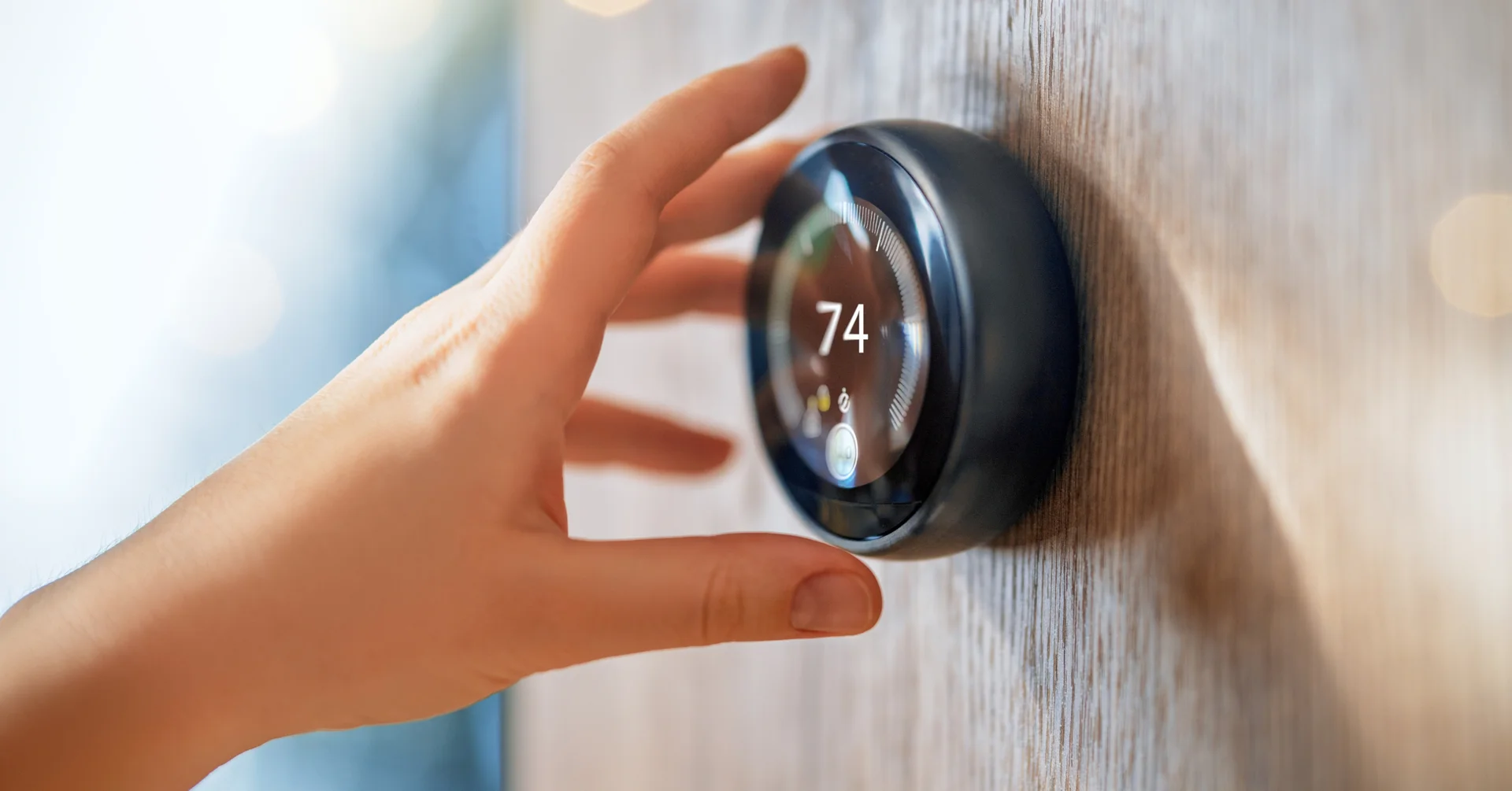
Your thermostat helps control your home's heating and cooling, but the temperature shown on the display thermostat doesn't always match how warm or cool a room actually feels. You might set the thermostat to 68°F, for example, while another part of the house feels much colder or warmer.
Some temperature differences are normal. However, large or persistent differences can indicate issues with airflow, thermostat placement, insulation, or your HVAC system.
If your home has noticeable temperature differences or your HVAC system is struggling to maintain the temperature you set, Reynolds Electric, Plumbing, Heating and Air can help identify the cause. Call (541) 305-8683 or contact our team to discuss your home's heating and cooling needs.
Why the Thermostat Temperature Can home'sferent
Your thermostat measures the temperature around it. It does not measure every room in your home.
If the thermostat is located in a hallway that stays warmer than the rest of the house, it may reach the set temperature before colder rooms do. The same can happen if the thermostat is near a heat-producing appliance, in direct sunlight, or close to a draft.
Other factors can include:
- Different room sizes and layouts
- Poor airflow through certain vents
- Open or closed interior doors
- Differences in insulation
- The location of windows and exterior walls
This means the thermostat can show one temperature while another room feels noticeably different.
Thermostat Placement Matters
Where your thermostat is installed can affect the temperature reading. A thermostat should generally be placed in an area that represents the home's typical indoor temperature.
Problems can occur when a thermostat is exposed to conditions that differ from those in the rest of the home. For example, direct sunlight can warm the thermostat, causing it to read higher than the temperature in the surrounding rooms.
A thermostat located near a kitchen may also be affected by cooking heat. Drafts from doors, windows, or vents can have a similar effect.
If you regularly notice that the thermostat reading seems inaccurate, its location may be worth checking.
Uneven Airflow Can Create Hot and Cold Rooms
Sometimes the thermostat is working properly, but the HVAC system is not distributing air evenly throughout the home.
A room at the far end of the ductwork may receive less conditioned air than a room closer to the HVAC equipment. Blocked vents, dirty filters, duct problems, or changes to the home's layout can also affect airflow.
You may notice signs such as:
- The home's bedroom is consistently colder than the rest of the house.
- Upstairs and downstairs have very different temperatures.
- Some rooms warm up quickly while others take much longer.
- The HVAC system runs for long periods without creating any comfort.
These issues can make it difficult for the thermostat to represent how the entire home feels accurately.
Your HVAC System Could Be Part of the Problem
Temperature differences can sometimes be connected to the heating or cooling system itself. An HVAC system that is not operating properly may struggle to maintain consistent indoor temperatures.
For example, problems with airflow, ductwork, filters, or other components can affect how conditioned air moves through the home.
Regular maintenance can help identify developing problems before they interfere with comfort. If your home has persistent hot or cold spots, professional heating and cooling service can help determine whether the HVAC system is contributing to the problem.
What Homeowners Can Check
Before assuming the thermostat needs to be replaced, homeowners can look at a few simple things.
Check that:
- Air vents are open and not blocked by furniture.
- The HVAC filter is clean and appropriate for the system.
- The thermostat is not exposed to direct sunlight or an obvious draft.
- Interior doors do not prevent air from moving between rooms.
- Temperature differences are not limited to one isolated area.
If these checks do not solve the problem, the thermostat, ductwork, or HVAC system may need a closer look.
When Should You Have the System Checked?
A small difference between the thermostat reading and the temperature in another room is not necessarily a concern. Homes naturally have room temperature variation.
However, it is worth having the system checked when temperature differences are persistent or become more noticeable. A professional can evaluate the thermostat, airflow, HVAC equipment, and other factors that may affect indoor comfort.
Getting the cause identified can also help you make informed decisions about repairs or improvements rather than simply turning the thermostat up or down.
Keep Your Eugene Home Comfortable This Fall
As temperatures begin to change in Eugene, your heating system may run more often. If your thermostat indicates your home has reached the desired temperature. However, certain rooms still feel too warm or too cold, the problem may lie beyond the thermostat setting.
Understanding how thermostat placement, airflow, insulation, and HVAC performance work together can help you spot potential problems and keep your home more comfortable.
If you're experiencing uneven temperatures and need professional help, is here to provide clear information and dependable HVAC service. Contact us at (541) 305-8683 or through our contact page to discuss your home's heating and cooling needs.
home's