
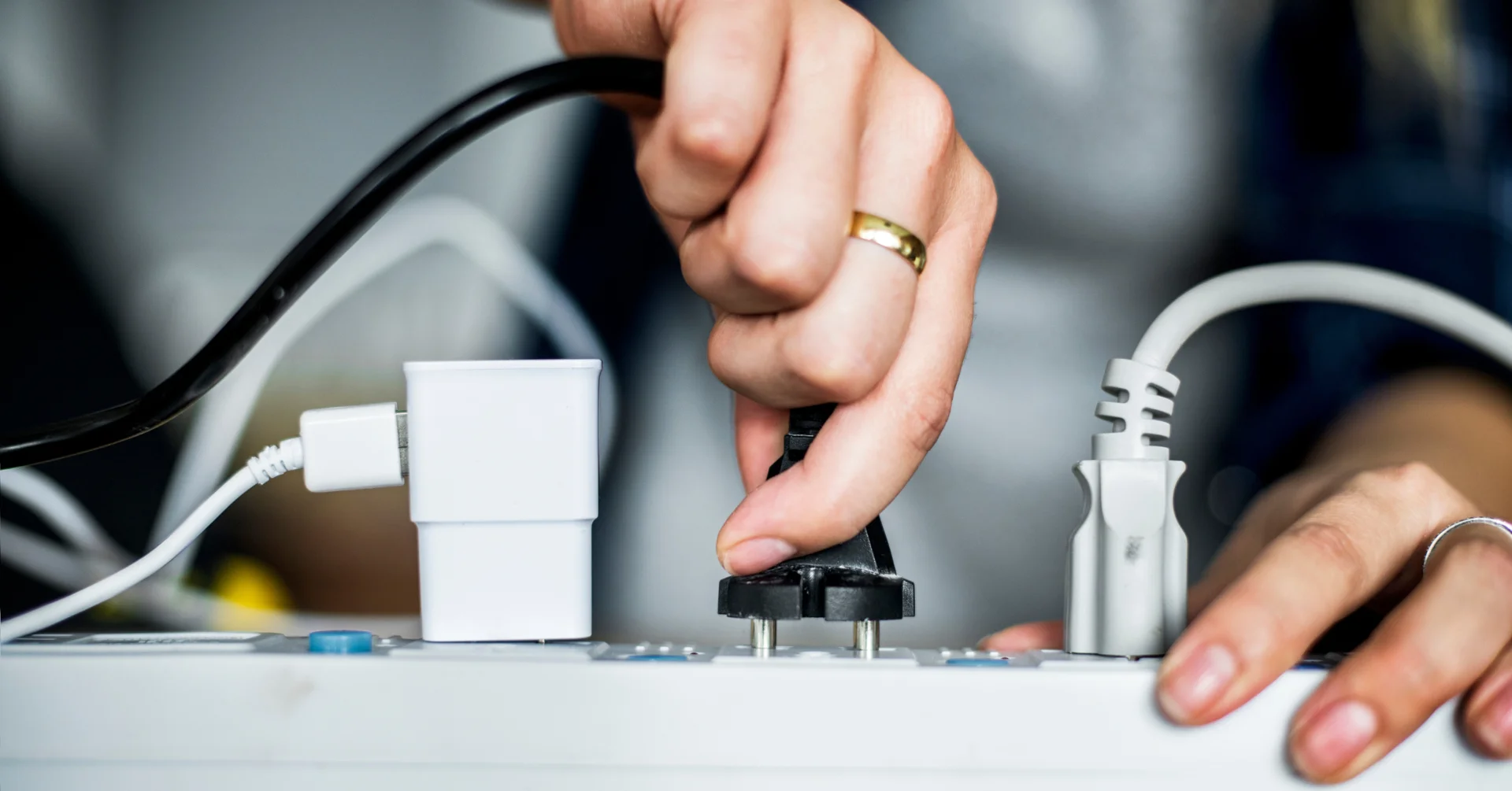
As fall arrives in Eugene, OR, homeowners often start using more electrical devices around the house. Space heaters, outdoor lighting, decorations, tools, and seasonal appliances can all lead to greater use of extension cords. While extension cords can be helpful for temporary needs, using them incorrectly can create electrical hazards.
If you notice damaged cords, frequently tripping breakers, warm outlets, or other electrical concerns, Reynolds Electric, Plumbing, Heating and Air can help identify the problem and recommend a safe solution. Contact our team at (541) 305-8683 to discuss your electrical needs.
Why Extension Cord Use Increases in Fall
Seasonal changes can bring more activities that require power. Outdoor projects may continue into October, while homeowners also begin preparing for colder weather and upcoming holidays.
Common fall uses for extension cords include:
- Powering outdoor lights or decorations
- Running seasonal tools and equipment
- Connecting temporary heating devices
- Powering appliances during home projects
The problem is not simply using an extension cord. The concern comes from using the wrong cord, connecting too many devices, or leaving cords in conditions they were not designed to handle.
How Overloaded Extension Cords Create Problems
Every extension cord is designed to handle a certain amount of electrical current. Plugging several high-powered devices into a single cord can place too much demand on it.
When a cord carries more electricity than it is designed for, it can become hot. A damaged or overheated cord can also damage connected equipment or create a fire risk.
Pay attention if you notice:
- A cord feels unusually warm.
- An outlet or plug becomes hot.
- A circuit breaker trips repeatedly.
- Lights flicker when a device is turned on.
These signs may indicate that a circuit or cord is being asked to handle more electrical demand than it should.
Space Heaters and Extension Cords
Space heaters deserve special attention during the fall and winter. These appliances can use a significant amount of electricity, so plugging one into an extension cord may create an unsafe setup.
Whenever possible, plug a space heater directly into an appropriate wall outlet. Keep the heater away from curtains, furniture, bedding, and other materials that could be affected by heat.
If you need additional heating in a room, an HVAC professional can also help determine whether your home's heating system is providing the comfort you need.
Keep Extension Cords Away From Moisture
Fall in Eugene also means wetter weather. Extension cords that are used outdoors need to be appropriate for outdoor conditions, and electrical connections should be kept away from water.
Never assume that an indoor extension cord is suitable for outdoor use. Outdoor-rated cords are designed for conditions that indoor cords are not.
Before using a cord outside, check for:
- Cracked or damaged insulation
- Exposed wires
- Loose plugs
- Frayed sections
- Signs of moisture or corrosion
Replace damaged cords rather than trying to repair them with tape or other temporary fixes.
Avoid Running Cords Under Rugs or Through Doorways
It can be tempting to hide an extension cord under a rug or run one through a doorway to keep it out of sight. However, this can damage the cord or create a tripping hazard.
Furniture can also put pressure on cords and damage the insulation over time. Instead, position temporary cords where they will not be walked on, pinched, or exposed to unnecessary wear.
Extension cords are generally best treated as a temporary power solution, rather than a permanent substitute for additional electrical outlets.
When Your Home May Need More Outlets
If you regularly rely on extension cords because an outlet is too far away, a better solution may be to add or relocate one.
A licensed electrician can evaluate your home's electrical system and determine whether additional outlets or another electrical improvement would make sense.
This can be especially useful in older homes or rooms where electrical needs have changed over the years.
A Safer Fall Electrical Routine
Before using extension cords this fall, take a few minutes to inspect them and think about what you are plugging in.
A simple checklist can help:
- Use the correct cord for the device and environment.
- Check cords for visible damage before use.
- Avoid connecting multiple extension cords.
- Keep outdoor electrical connections protected from moisture.
- Do not use extension cords as permanent wiring.
- Unplug temporary cords when they are no longer needed.
Small habits like these can help reduce unnecessary strain on your home's electrical system.
Keep Fall Electrical Use Safe
Extension cords can be useful when you need temporary access to electricity, but they should be used carefully. Damaged cords, overloaded circuits, moisture, and high-powered appliances can all create problems when electrical equipment is not used as intended.
If your home needs additional outlets, you are dealing with repeated breaker trips, or you have questions about an electrical concern, professional guidance can help you understand your options.
For reliable electrical help in Eugene, OR, contact Reynolds Electric, Plumbing, Heating and Air at (541) 305-8683. You can also learn more about our electrical services or contact our team online to discuss your home's needs.